
Blogs
Biker Jacket Buying Guide: Find Your Perfect Leather Style
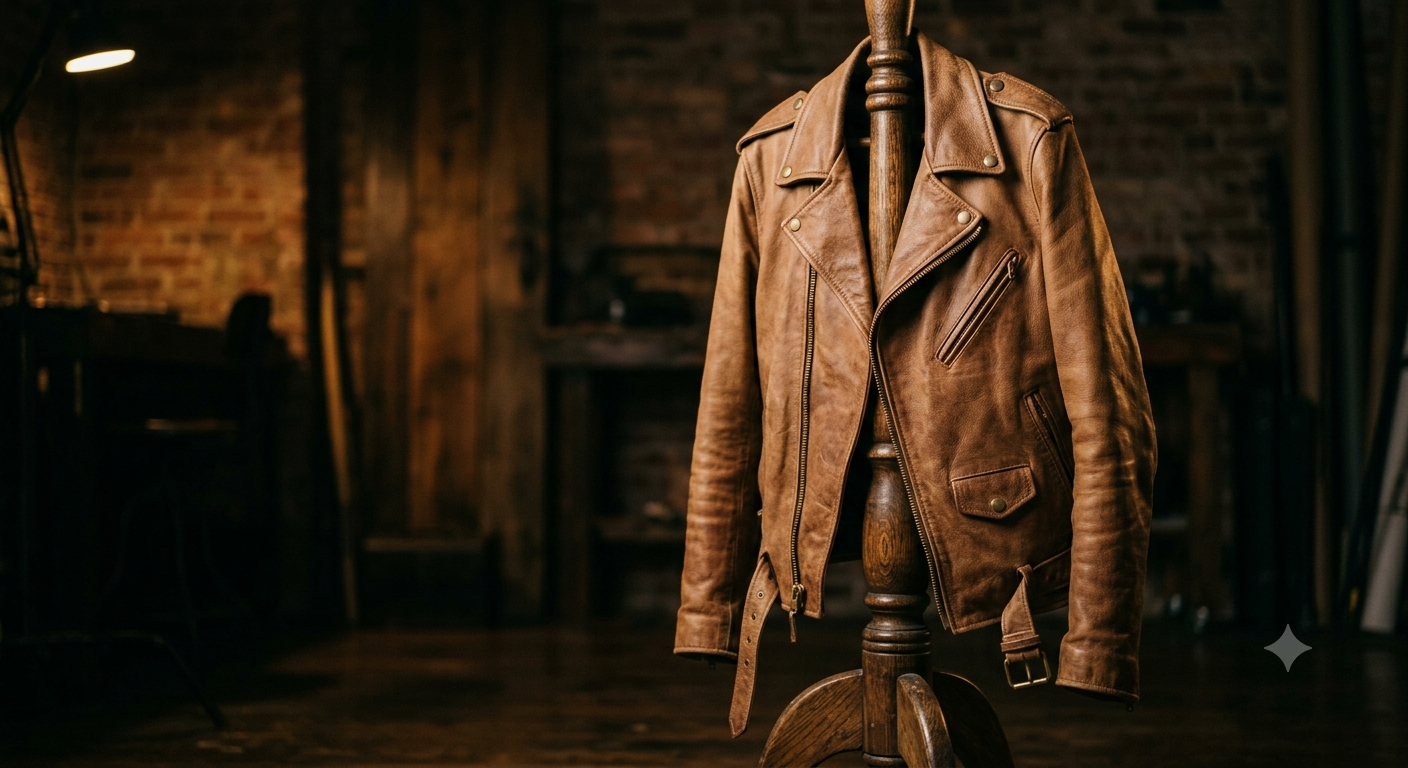
There’s a reason the biker jacket has never gone out of fashion since it first left the aviation workshops of the early 20th century. It does something very few garments manage: it looks just as at home on a motorcycle as it does under office lighting. But not every biker jacket sold online deserves the name. Some are cut from leather that will crack within a year. Others fit like a sleeping bag with sleeves. If you’re shopping for one properly, browse the leather biker jacket collection once you know what to look for, this guide will walk you through it.
What Actually Makes a Jacket a “Biker” Jacket
A lot of jackets get called biker jackets loosely, but the term has a specific meaning rooted in function. The classic silhouette comes from motorcycle riders needing wind protection, flexibility, and a snug fit that wouldn’t flap at speed. That’s why the design features are so consistent across brands and decades:
- An asymmetric front zip, angled off-centre so it doesn’t dig into the chest when leaning forward
- A cropped, waist-length cut, short enough to avoid bunching under a rider’s seat
- Snap-down lapels, which can be buttoned across the neck for extra wind coverage
- Reinforced shoulder and elbow panels, originally for abrasion resistance
- A belted or adjustable waist, keeping the jacket close to the body
If a jacket is missing most of these, it’s probably a bomber, a racer, or a general leather jacket wearing a biker jacket’s reputation. That distinction matters when you’re comparing options, because the cut changes how the jacket moves and layers.
Choosing the Right Leather
The leather itself is where most of the price difference, and most of the long-term satisfaction, comes from. Not all “genuine leather” listings are equal.
Full-Grain vs Top-Grain Cowhide
Full-grain leather uses the entire hide, imperfections and all, which means it develops a rich patina over years of wear. It’s thicker, tougher, and generally what you want in a jacket built to outlast a few winters. Top-grain leather has the outer layer sanded down to remove blemishes, giving a smoother, more uniform finish, but slightly less character over time. Both are legitimate choices; it comes down to whether you want a jacket that looks polished from day one or one that ages like a good pair of boots.
Lambskin
Lambskin is softer and lighter than cowhide, which makes it comfortable for everyday wear rather than heavy motorcycle use. It’s a strong option if you want the biker silhouette without the stiffness of thicker hides, though it won’t hold up to abrasion in quite the same way.
Suede Biker Jackets
Suede is the underside of the hide, brushed to a soft nap rather than a smooth grain. It gives a more casual, muted finish and works particularly well in browns and tans. It does mark more easily in rain, so it suits drier climates or occasional wear better than daily commuting in unpredictable weather.
Biker Jackets for Men
Men’s biker jackets tend to fall into a few recognisable families, and knowing which one suits your build and use case saves you from an expensive returns process.
- Classic Perfecto-style jackets, with the double-breasted asymmetric zip and wide lapels, are the most recognisable and the most versatile for layering.
- Slim or racer-fit jackets sit closer to the body and suit a leaner frame or a more tailored look under a shirt.
- Quilted-panel jackets add stitched padding at the shoulders and chest, which adds structure and a slightly bulkier silhouette.
If you’re after something with genuine motorcycle-ready construction, browse the men’s biker jacket range to compare cuts side by side before deciding on colour or hardware finish.
Biker Jackets for Women
The women’s biker jacket has its own set of proportions, generally shorter in the body and higher on the waist, which changes how it should be styled. A cropped biker jacket pairs naturally with higher-waisted trousers or jeans, while a slightly longer cut works better over dresses in cooler months.
Colour choice also plays a bigger role here. Black remains the standard for a reason, it goes with everything, but a rich cognac or burgundy tone can lift an otherwise neutral outfit without looking like fancy dress. If you’re comparing options, the women’s biker jacket collection is a useful starting point for seeing how cut and colour interact across different builds.
Getting the Fit Right
Leather doesn’t stretch the way fabric does, at least not much, so the fit you buy is close to the fit you’ll have for the jacket’s whole life. A few points worth checking before you commit:
- Shoulders should sit flush, not overhanging past the natural shoulder line.
- Sleeves should end at the wrist bone, allowing a shirt cuff to show slightly if you’re layering.
- The body should allow a jumper underneath without pulling across the chest when zipped, but shouldn’t hang loose when open.
- Length matters more than people expect. A biker jacket that runs past the hip loses the silhouette that makes it a biker jacket in the first place.
If you’re between sizes, sizing down is usually the safer call for leather, since a slightly snug fit will loosen with wear far more than an oversized one will tighten.
Biker Jacket vs Bomber Jacket
These two get confused constantly, and the difference isn’t just cosmetic. A biker jacket is built for a lean, close silhouette with hardware and structure; a bomber is looser, ribbed at the cuffs and waist, and designed for comfort over form. If you want something sharper and more tailored, the biker wins. If you want something relaxed enough for daily wear over hoodies, it’s worth comparing against the men’s bomber jacket range before deciding, since the two serve genuinely different wardrobes rather than one simply being a variation on the other.
Caring for a Leather Biker Jacket
Leather rewards a small amount of regular care far more than it rewards being left in a wardrobe untouched for years.
- Condition it two to three times a year with a leather-specific conditioner, more often if you’re wearing it weekly through a wet season.
- Avoid direct heat sources like radiators when drying a damp jacket, as this dries out the natural oils and causes cracking.
- Store it on a proper hanger, not a wire one, to keep the shoulder shape intact.
- Wipe off surface dirt with a damp cloth rather than letting it sit, particularly on lighter colours.
- Have a professional leather cleaner handle deep stains, since home remedies (baby wipes, alcohol-based cleaners) can strip the finish.
A well-maintained biker jacket in full-grain leather can genuinely last a decade or more, developing character rather than wear and tear.
Styling a Biker Jacket
The reason this jacket has survived every fashion cycle since the 1950s is its range. Over a plain white t-shirt and jeans, it reads as effortless. Over a shirt and chinos, it edges towards smart-casual without trying too hard. Layered over a jumper in winter, it works as an outer layer that doesn’t compete for attention. The one place it struggles is anything formal, tailored suits and biker jackets don’t mix, but for almost everything else it’s one of the few jackets that genuinely goes with whatever else is in the wardrobe.
Frequently Asked Questions
-
What’s the difference between a biker jacket and a motorcycle jacket?
In practice, the terms are used interchangeably in most UK retail contexts. Both describe the same cropped, asymmetric-zip silhouette originally designed for motorcycle riders. Some brands reserve “motorcycle jacket” for versions with added armour pockets aimed specifically at riders, while “biker jacket” is used more broadly for the fashion version of the same cut.
-
Is a leather biker jacket waterproof?
Leather is naturally water-resistant rather than fully waterproof. Light rain will typically bead off the surface, especially if the jacket has been conditioned recently, but prolonged exposure can soak through and leave water marks. If you’re wearing one regularly outdoors, treat it periodically with a leather protector spray and dry it away from direct heat if it does get wet.
-
How should a biker jacket fit across the shoulders?
The shoulder seam should sit exactly on your natural shoulder line, not drooping down the arm or pulling inward. Since leather doesn’t stretch significantly, this is the one measurement worth prioritising above all others when choosing a size. A jacket that fits well everywhere else but sags at the shoulders will never sit correctly, however it’s styled.
-
Can a biker jacket be worn in warm weather?
Standard cowhide or lambskin biker jackets run warm, so they’re best suited to autumn through spring in most UK climates. For lighter wear, thinner lambskin or unlined suede versions breathe slightly better, though leather jackets in general aren’t designed as summer outerwear. Evenings and transitional seasons tend to be where they’re worn most comfortably.
-
What leather colour is easiest to maintain?
Black hides scuffs and minor marks better than any other colour and remains the lowest-maintenance choice for daily wear. Brown and cognac tones show wear more visibly but tend to age into a patina that many people prefer over time. Suede in any colour requires the most attentive care, since it marks more easily than smooth leather finishes.
A biker jacket bought for the right reasons, fit, leather quality, and genuine construction, isn’t really a seasonal purchase. It’s closer to a piece of furniture for your wardrobe.